Pengenalan kepada boleh dicas semula dan non rechargeable pH composite electrodes
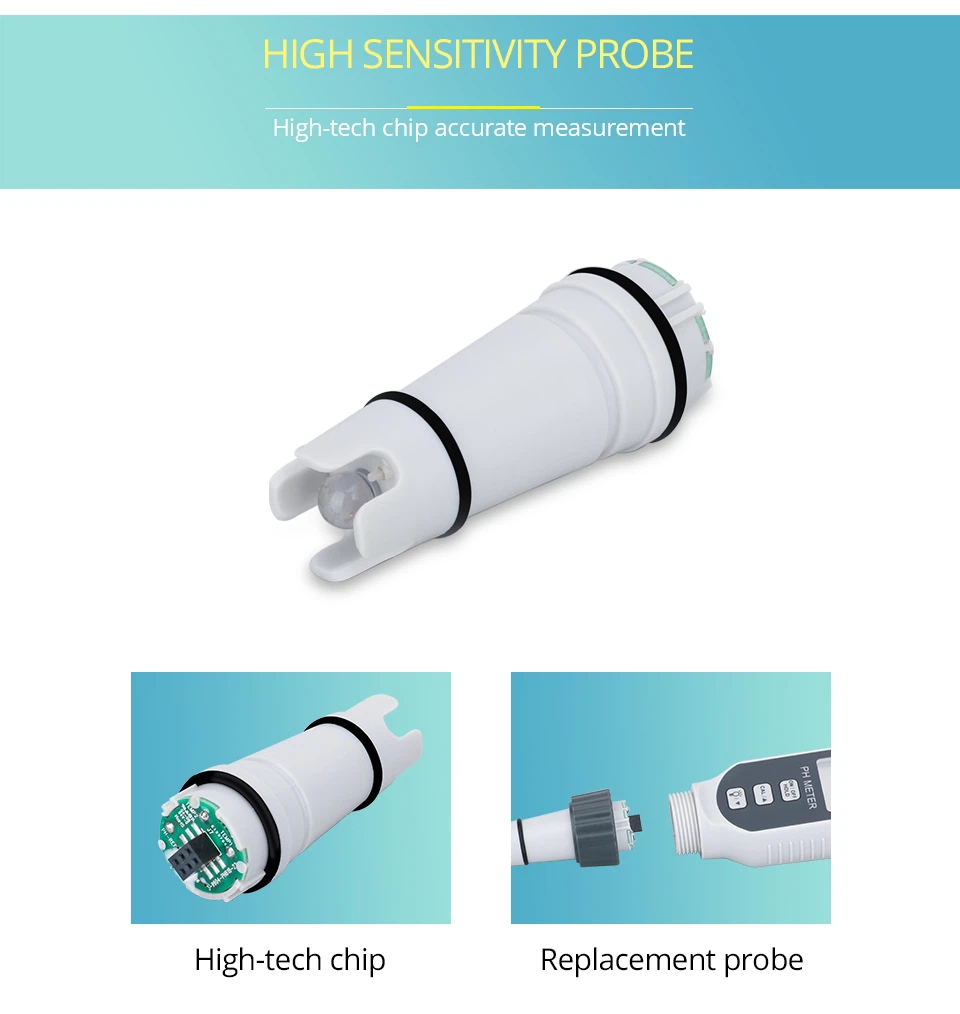
The pH composite electrode shell is distinguished between plastic and glass. A rechargeable pH composite electrode has a liquid adding hole on the electrode shell. When the external reference solution of the electrode is lost, the liquid adding hole can be opened to replenish the KCl solution. The non rechargeable pH composite electrode is filled with gel like KCl, which is not easy to drain and has no feeding hole.
The characteristic of a rechargeable pH composite electrode is that the reference solution has a high penetration rate, the liquid interface potential is stable and reproducible, and the measurement accuracy is high. Moreover, when the reference electrode is reduced or tercemar, KCl solution can be supplemented or replaced, but the disadvantage is that it is more troublesome to use. Bila menggunakan a rechargeable pH composite electrode, the filling hole should be opened to increase liquid pressure and accelerate electrode response. When the dielectric liquid level is 2 centimeters lower than the filling hole, new dielectric liquid should be replenished in a timely manner.
The characteristic of non rechargeable pH composite electrodes is simple maintenance and convenient use, therefore, they have also been widely used. However, when used as a pH electrode in the laboratory, under long-term and continuous usage conditions, the concentration of KCl at the liquid interface will decrease, affecting the testing accuracy. Oleh itu, when non rechargeable pH composite electrodes are not used, they should be immersed in electrode immersion solution, so that the electrode performance will be good during the next test. However, some laboratory pH electrodes are not tested for long-term or continuous testing, so the impact of this structure on accuracy is relatively small. Industrial pH composite electrodes, due to their low requirements for testing ketepatan, have become the main choice for ease of use.
How to repair the pH electrode?
The fenomena of "damage" to pH composite electrodes is a decrease in sensitivity gradient, slow response, and poor repeatability of readings, which may be caused by the following three factors. Generally, customers can use appropriate methods to repair it:
(1) The electrode bulb and liquid interface are tercemar, and the dirt can be carefully removed using a fine brush, cotton, or toothpick. The protective cover on the head of some molded case electrodes can be unscrewed for easy cleaning. If there is severe pollution, it can be cleaned with a cleaning agent according to the method in Article 8.
(2) The external reference solution is tercemar, and some electrode structures allow for the addition of a solution. At this point, a syringe can be used to extract the external reference solution of the electrode, prepare a new 3.3mol/L or saturated KCl solution, and add it again. Pay attention to the first and second addition, and then extract it again to clean the inner cavity of the electrode.
(3) Penuaan of glass sensitive film: Soak the electrode bulb in 0.1mol/L dilute hydrochloric acid (9mL hydrochloric acid diluted to 100mL with pure water) for 24 hours, wash with pure water, and then soak the electrode in the soaking solution for 24 hours. Jika the passivation is severe, the lower end of the electrode can also be immersed in a 45% hydrofluoric acid solution for 3-5 seconds (solution preparation: 4mL hydrofluoric acid diluted to 100mL with pure water), washed with pure water, and then soaked in the electrode immersion solution for 24 hours to restore its performance.